
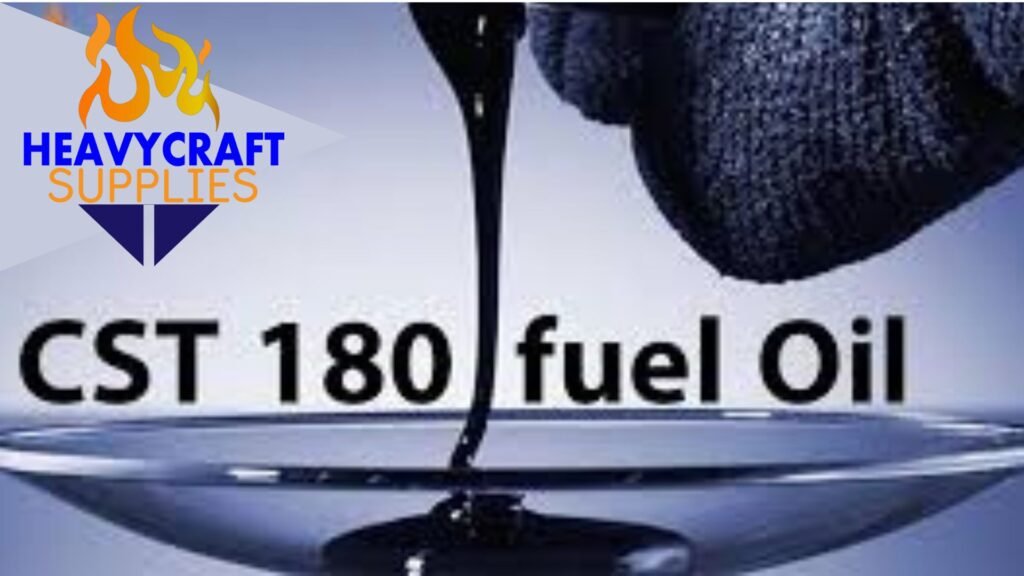
HFO 180 is a specialized grade of Heavy Fuel Oil widely used in industrial and maritime applications. Known for its kinematic viscosity of 180 centistokes (cSt) at 50°C, HFO 180 is a dense, residual fuel oil that provides reliable energy for power plants, industrial boilers, furnaces, and low-speed marine diesel engines. The designation “180” refers specifically to its viscosity, which determines how the fuel behaves when heated, pumped, and combusted.
As global industries continue to rely on high-energy-density fuels, HFO 180 has remained a cost-effective option due to its availability and performance. Its characteristics make it suitable for continuous, large-scale operations where stable fuel supply and consistent combustion are essential. Industries in Africa, Asia, and other regions with limited access to natural gas or where electricity grid reliability is variable often prefer HFO 180 for backup or primary fuel systems.
Composition and Key Technical Features of HFO 180
HFO 180 is primarily made up of long-chain hydrocarbons, with trace elements including sulfur, nickel, vanadium, and ash. The exact composition can vary based on crude source and refinery processing methods, but typical parameters include a density of 0.95–0.99 kg/L at 15°C, sulfur content of up to 3.5% m/m, a flash point above 60°C, and a pour point typically below 30°C. The water content is usually less than 1%, and ash content below 0.1%. These properties ensure that HFO 180 remains stable during storage, transport, and use in high-demand industrial processes.
Viscosity is the defining property of HFO 180. At ambient temperature, it is extremely thick, requiring pre-heating to approximately 100–120°C for proper pumping and injection. Once heated, the fuel can flow easily through pipes and atomizers, ensuring efficient combustion and optimal energy output.
How HFO 180 Works in Industrial and Marine Applications
The proper use of HFO 180 involves a combination of heating, filtration, and monitoring. Storage tanks are typically equipped with heating coils or external heaters to maintain the fuel at a temperature where its viscosity is manageable. Before reaching engines or boilers, the fuel is often passed through purifiers or centrifuges to remove impurities and water. Maintaining consistent viscosity is critical, as deviations can lead to poor atomization, incomplete combustion, or even engine damage.
In industrial settings, HFO 180 powers boilers, furnaces, and generator systems. In maritime settings, it fuels low-speed diesel engines on cargo ships, tankers, and container vessels. The fuel’s reliability and high energy content make it essential for operations that cannot tolerate interruptions.
Applications of HFO 180
Maritime Industry: HFO 180 is the preferred choice for low-speed marine diesel engines, particularly on vessels traveling long distances. Its high energy density and relatively low cost make it economical for transoceanic shipping. Many vessels using HFO 180 have also installed exhaust gas scrubbers to meet the International Maritime Organization’s IMO 2020 sulfur emissions regulations.
Power Generation: In land-based thermal power plants, HFO 180 serves as a reliable fuel source. It can function as baseload power or provide supplemental generation during peak demand periods. Power plants using HFO 180 are particularly common in regions with limited access to natural gas infrastructure.
Industrial Boilers and Furnaces: HFO 180 provides heat energy for industrial boilers and furnaces in cement production, chemical manufacturing, textiles, and food processing. Its high calorific value ensures efficient heating for large-scale industrial processes.
Backup Energy for Manufacturing Plants: Many SMEs and factories rely on HFO 180-powered generators to maintain operations during electricity grid interruptions, load shedding, or power rationing. The fuel’s availability and cost-effectiveness make it ideal for sustaining production continuity in regions with variable electricity supply.
Advantages of HFO 180
Cost-Effectiveness: HFO 180 is significantly cheaper than lighter distillate fuels, including diesel and marine gas oil. This makes it attractive for high-volume industrial and maritime users.
High Energy Content: With a high calorific value, HFO 180 delivers substantial energy output per unit, supporting continuous operation of heavy machinery and engines.
Availability: HFO 180 is produced as a residual by-product of crude oil refining and is widely available in ports and industrial hubs globally.
Long Storage Life: Properly stored HFO 180 can remain stable for extended periods, minimizing spoilage and ensuring ready supply when needed.
Reliable for Heavy-Duty Applications: Its properties make it suitable for continuous operations, including marine engines, large industrial boilers, and power generation systems.
Challenges and Environmental Considerations
While HFO 180 is cost-effective and reliable, it comes with environmental and operational challenges. High sulfur content can result in significant sulfur oxide emissions, contributing to air pollution and acid rain. Incomplete combustion may produce soot and black carbon, which are harmful to human health and the environment. Sludge and impurities in the fuel can accumulate in storage tanks and engines, requiring regular cleaning and maintenance.
Regulatory pressures, particularly from IMO 2020 and local environmental authorities, have prompted the adoption of low-sulfur variants or scrubber systems to mitigate emissions. Land-based industries are also increasingly implementing emission control systems to comply with environmental standards.
Alternatives and Cleaner Options
Industries looking to reduce environmental impact may consider Low-Sulfur Heavy Fuel Oil (LSHFO), which maintains similar energy content while reducing sulfur levels to below 0.5%. Industrial Diesel Oil (IDO) is a lighter, cleaner alternative for smaller generators and industrial plants. Liquefied Natural Gas (LNG) offers high efficiency and low emissions, though infrastructure and supply constraints can be challenging. Biofuels or blended fuels can also be co-fired with HFO 180 to decrease the carbon footprint.
HFO 180 in Kenya and East Africa
HFO 180 is particularly important in East Africa, where grid reliability is variable and industrial power needs are increasing. In Kenya, power producers like KenGen and various independent power projects (IPPs) occasionally rely on HFO 180-fired generators to stabilize supply during peak demand or load-shedding periods. SMEs and large manufacturing plants in industrial hubs such as Athi River, Thika, and Mombasa continue to use HFO 180 for boilers, furnaces, and backup generator systems. Its affordability, reliability, and energy density make it a practical choice where electricity from the grid is insufficient or inconsistent.
Storage and Handling Best Practices
Proper handling and storage are essential to maintain HFO 180’s quality and performance. Storage tanks should be heated to prevent solidification and maintain proper viscosity. Regular stirring or circulation prevents sludge buildup, and filtration ensures impurities and water are removed before combustion. Routine testing of viscosity, density, and sulfur content helps maintain optimal performance. Adhering to these procedures minimizes maintenance costs, protects equipment, and ensures compliance with environmental regulations.
Economic and Operational Benefits
Using HFO 180 allows industries to stabilize operations, maintain productivity, and reduce energy costs. For maritime operations, its high calorific value and cost efficiency make it ideal for long-distance voyages. Industrial plants benefit from reliable heating and backup power, which reduces downtime and enhances productivity. The long-term availability of HFO 180 ensures that businesses can plan operations without concern for fuel shortages.
Environmental Strategies and Compliance
While HFO 180 remains a heavy fuel oil with environmental concerns, modern practices can mitigate its impact. Exhaust gas scrubbers, low-sulfur variants, and blended fuels reduce emissions of sulfur oxides and particulates. Efficient combustion technology and proper maintenance further minimize carbon output. Regulatory compliance is critical for companies using HFO 180 to avoid penalties and align with global sustainability goals.
Future Outlook for HFO 180
As industrialization and maritime transport continue to grow, HFO 180 remains an essential component of the global fuel mix. However, demand for cleaner energy is increasing. Hybrid solutions that integrate renewable energy with HFO 180 for backup power are gaining popularity, particularly in regions with limited grid infrastructure. Investments in cleaner combustion technologies, emission control, and sustainable fuel alternatives will shape the future use of HFO 180 while maintaining operational efficiency and cost-effectiveness.
Proper storage of HFO 180 is critical to maintain its quality, ensure efficient combustion, and prevent operational issues in industrial and marine applications. Due to its high viscosity, HFO 180 must be stored at elevated temperatures, typically between 40°C and 60°C, to prevent it from solidifying or becoming too thick to pump. Storage tanks should be equipped with reliable heating systems, such as steam coils or thermal oil heaters, to maintain a consistent temperature. Insulation of tanks and pipelines further helps retain heat and reduces energy losses. Regular circulation or stirring of the fuel is necessary to prevent the formation of sludge and sediment, which can clog filters, damage pumps, and compromise combustion efficiency. Filtration systems should be in place to remove impurities and water that may accumulate during storage, as these contaminants can lead to corrosion or engine problems. Monitoring systems for temperature, viscosity, and water content are essential to ensure the fuel remains within operational specifications. Additionally, storage areas must comply with environmental and safety regulations, including proper containment measures to prevent spills. By adhering to these storage best practices, HFO 180 retains its quality, supports reliable energy output, and extends the life of equipment using the fuel.
Conclusion
HFO 180 continues to serve as a reliable and cost-effective energy source for industrial and maritime applications. Its high viscosity, energy density, and availability make it indispensable for power generation, industrial boilers, furnaces, and low-speed marine engines. While environmental challenges remain, proper handling, emission control, and hybrid energy strategies allow industries to use HFO 180 efficiently and responsibly. In regions with variable grid reliability, such as East Africa, HFO 180 ensures continuity of operations and supports economic growth, solidifying its role as a critical fuel for the foreseeable future.