
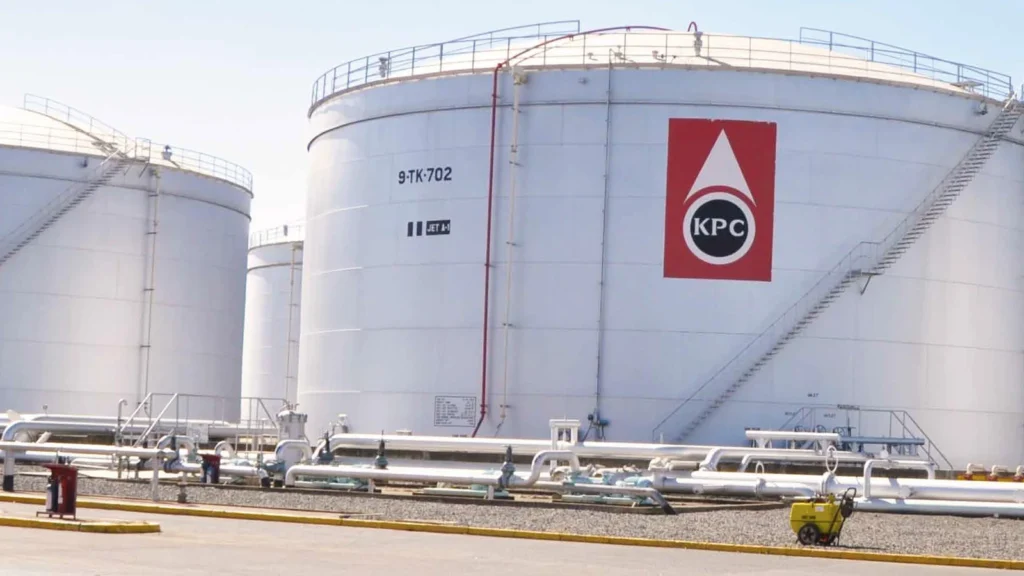
Kenya is once again facing a sharp surge in fuel prices following the latest announcement by the Energy and Petroleum Regulatory Authority. The mid May 2026 price review has pushed fuel costs to historic highs, with diesel crossing record levels and petrol continuing its upward trend. These changes are not just affecting motorists. They are reshaping the cost structure of entire industries, especially those dependent on Heavy Fuel Oil HFO and furnace oil.
EPRA Fuel Prices Mid May 2026 Key Numbers
The latest EPRA review, effective May 15 to June 2026, introduced significant increases across all major fuels.
New EPRA Fuel Prices Table (Kenya Mid May 2026)
| Fuel Type | Price Per Litre (KSh) | Change Trend |
|---|---|---|
| Petrol (Super) | 214 | Increased |
| Diesel | 242 | Record High |
| Kerosene | 202 | Increased |
These figures reflect one of the most aggressive upward adjustments in recent years. Diesel, in particular, has seen a sharp jump, reinforcing its position as the most critical fuel in Kenya’s economy.
Why Fuel Prices Are Increasing in Kenya
Several key factors are driving the rise in EPRA fuel prices in Kenya.
Global crude oil prices have increased significantly due to supply disruptions and geopolitical tensions. Conflicts involving Iran have tightened supply chains and created uncertainty in global markets.
The landed cost of imported fuel has risen, meaning Kenya is paying more for every shipment. This directly affects EPRA pricing since Kenya relies heavily on imported petroleum products.
Currency pressure has also contributed. A weaker Kenyan shilling against the US dollar makes fuel imports more expensive.
Government subsidies are under strain. Authorities have been forced to inject billions to cushion consumers, but this support is becoming harder to sustain.
Why Diesel Prices Matter More Than Petrol
Diesel plays a central role in Kenya’s economy. While petrol mainly affects private transport, diesel powers logistics, agriculture, manufacturing, and power generation.
With diesel at record highs, the cost of moving goods across Kenya has increased significantly. This creates a chain reaction across industries.
Transport companies are raising freight charges. Public transport operators are adjusting fares. Businesses that rely on delivery services are facing higher operational costs. These increases eventually reach consumers through higher prices of goods and services.
Impact of EPRA Fuel Prices on Businesses in Kenya
The rise in EPRA fuel prices is affecting nearly every sector.
Transport and logistics companies are experiencing immediate cost increases due to higher diesel prices. This leads to higher delivery costs and reduced profit margins.
Manufacturing industries are facing higher energy costs. Many factories rely on diesel generators or fuel based systems, making production more expensive.
Agriculture is also affected. Farmers depend on diesel for machinery, irrigation, and transport. Increased fuel costs translate to higher food production costs and ultimately higher food prices.
Small businesses are under pressure. Rising transport and supply costs reduce profitability and limit growth opportunities.
Relationship Between EPRA Fuel Prices and HFO
Heavy Fuel Oil HFO is closely linked to crude oil pricing and refinery output. When EPRA fuel prices rise due to increased crude costs, HFO prices are also affected.
HFO is derived from the heavier fractions of crude oil, making it sensitive to global oil trends. Although it is typically cheaper than diesel, its price still rises when crude oil becomes more expensive.
Another important factor is substitution. As diesel prices increase, industries look for alternatives. HFO becomes an attractive option for boilers and industrial heating systems. This shift increases demand for HFO, which can push prices upward.
Impact on Heavy Fuel Oil HFO in Kenya
Heavy Fuel Oil HFO is widely used in cement production, steel manufacturing, power generation, and large scale industrial operations.
The EPRA fuel price increase affects HFO in several ways.
Rising crude oil prices increase the base cost of HFO production. This means suppliers must adjust prices to reflect higher input costs.
Higher diesel prices increase the cost of transporting HFO. Since delivery relies on trucks, logistics expenses are passed on to consumers.
Increased demand from industries shifting away from diesel puts additional pressure on HFO supply. This can lead to gradual price increases.
Despite these challenges, HFO remains a preferred option for many industries because it is still more cost effective than diesel for large scale energy needs.
Furnace Oil and Industrial Heating Costs
Furnace oil, often grouped with HFO, is essential for industrial heating processes. It is used in kilns, boilers, and furnaces across multiple sectors.
The EPRA fuel price increase has a direct impact on furnace oil.
Higher crude oil prices raise the cost of furnace oil production. Increased transport costs further add to the final price.
As more industries turn to furnace oil as an alternative to diesel, demand increases. This can lead to tighter supply and higher prices.
For industries that depend heavily on furnace oil, this creates significant cost pressure and requires adjustments in pricing and operations.
Energy Supply Risks and Global Factors
Kenya’s fuel market is heavily influenced by global events. Tensions involving Iran have raised concerns about supply disruptions, especially through critical shipping routes.
Any disruption in global oil supply affects landed costs in Kenya, which in turn impacts EPRA pricing.
This means local fuel prices are not only determined by domestic policies but also by international developments.
Inflation and Cost of Living in Kenya
The increase in EPRA fuel prices is expected to drive inflation.
Food prices are likely to rise due to higher transport and production costs. Electricity costs may increase, especially where thermal power generation relies on HFO. Consumer goods become more expensive as manufacturers pass on increased costs.
This creates a situation where fuel prices influence nearly every aspect of the economy.
Business Strategies to Cope with High Fuel Prices
Businesses in Kenya are adapting to rising EPRA fuel prices in several ways.
Many industries are switching to Heavy Fuel Oil HFO to reduce costs. HFO is more economical for large scale operations compared to diesel.
Companies are investing in energy efficiency. Upgrading equipment and optimizing fuel use can reduce overall consumption.
Bulk purchasing is another strategy. Businesses are securing fuel in advance to avoid future price increases.
Some organizations are exploring alternative energy sources such as solar and hybrid systems to reduce dependence on fuel.
What to Expect in the Coming Months
Fuel prices in Kenya will depend on several factors.
If global oil prices continue to rise, EPRA may increase fuel prices further. This would push diesel and HFO costs even higher.
If supply stabilizes, prices may level off. This could provide some relief to businesses.
Government intervention may also play a role. Subsidies or tax adjustments could help cushion consumers and businesses.
Kenya Energy Outlook and Dependence on Imports
Kenya relies heavily on imported fuel, making it vulnerable to global price fluctuations and currency changes.
The EPRA pricing system reflects these realities by adjusting fuel prices based on landed costs, exchange rates, and taxes.
This dependence highlights the need for diversification into alternative energy sources and more efficient fuel usage.
Conclusion EPRA Fuel Prices HFO and Business Impact
The mid May 2026 EPRA fuel price increase marks a critical moment for Kenya’s economy. Diesel prices have reached record highs, and the ripple effects are being felt across all sectors.
For industries that rely on Heavy Fuel Oil HFO and furnace oil, the situation presents both challenges and opportunities. While costs are rising, HFO remains a practical alternative to diesel for industrial operations.
Businesses must adapt by improving efficiency, exploring alternative fuels, and managing costs carefully. Monitoring EPRA fuel prices, global oil trends, and HFO supply will be essential for navigating the months ahead.
Kenya’s energy landscape is changing rapidly, and those who respond strategically will be better positioned to survive and grow in this high cost environment.